Downtown Bellingham
Experience the evolution of downtown Bellingham through historic photographs.
Interactive Story Map / Booklet
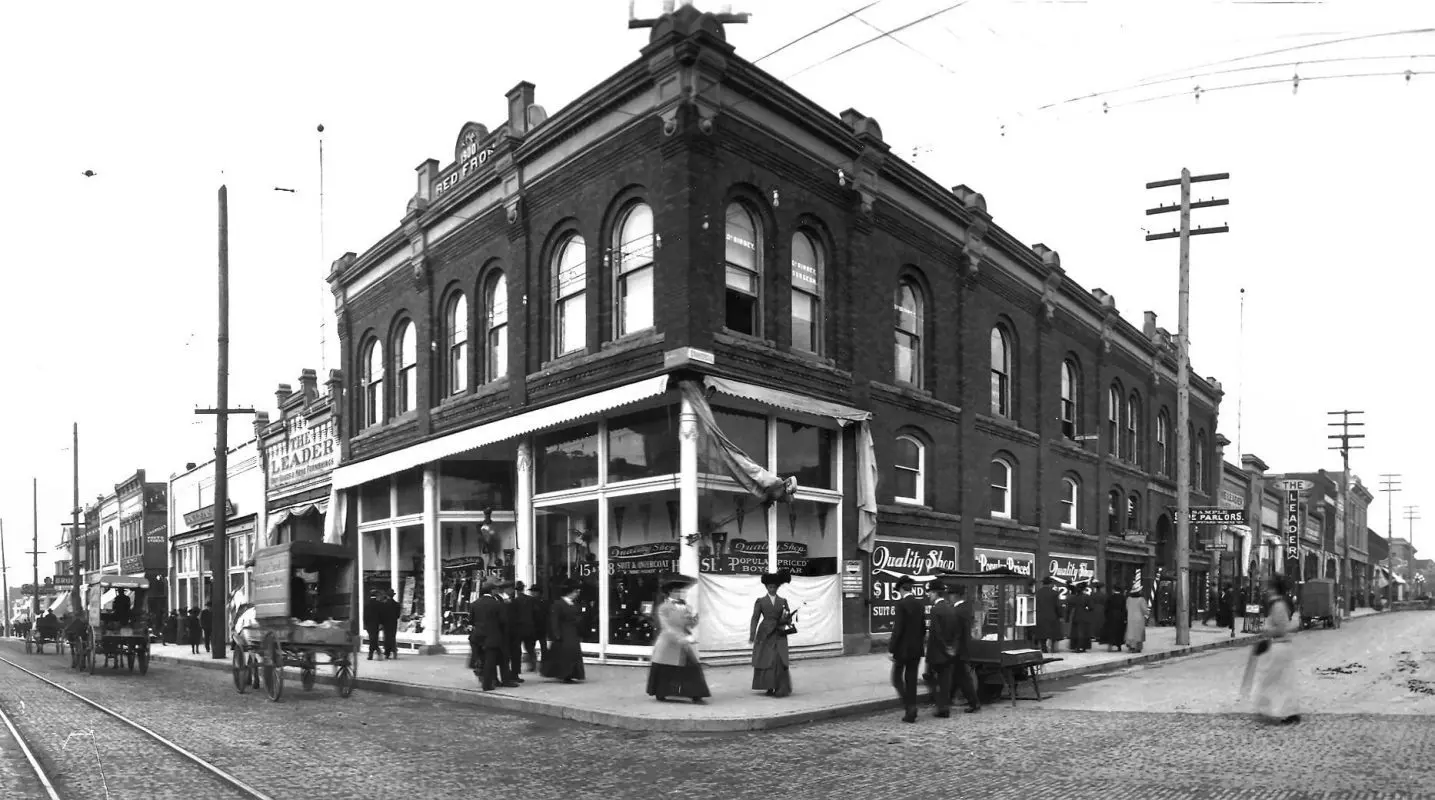
Fairhaven
Settled in 1853, Fairhaven was one of four early towns that consolidated in 1904 to create the City of Bellingham. Explore this photo-rich story map, showing how Fairhaven has evolved over time.
Interactive Story Map / Booklet

Old Sehome
Explore southern downtown Bellingham, originally settled in 1853 as the coal mining town of Sehome.
Interactive Story Map / Booklet
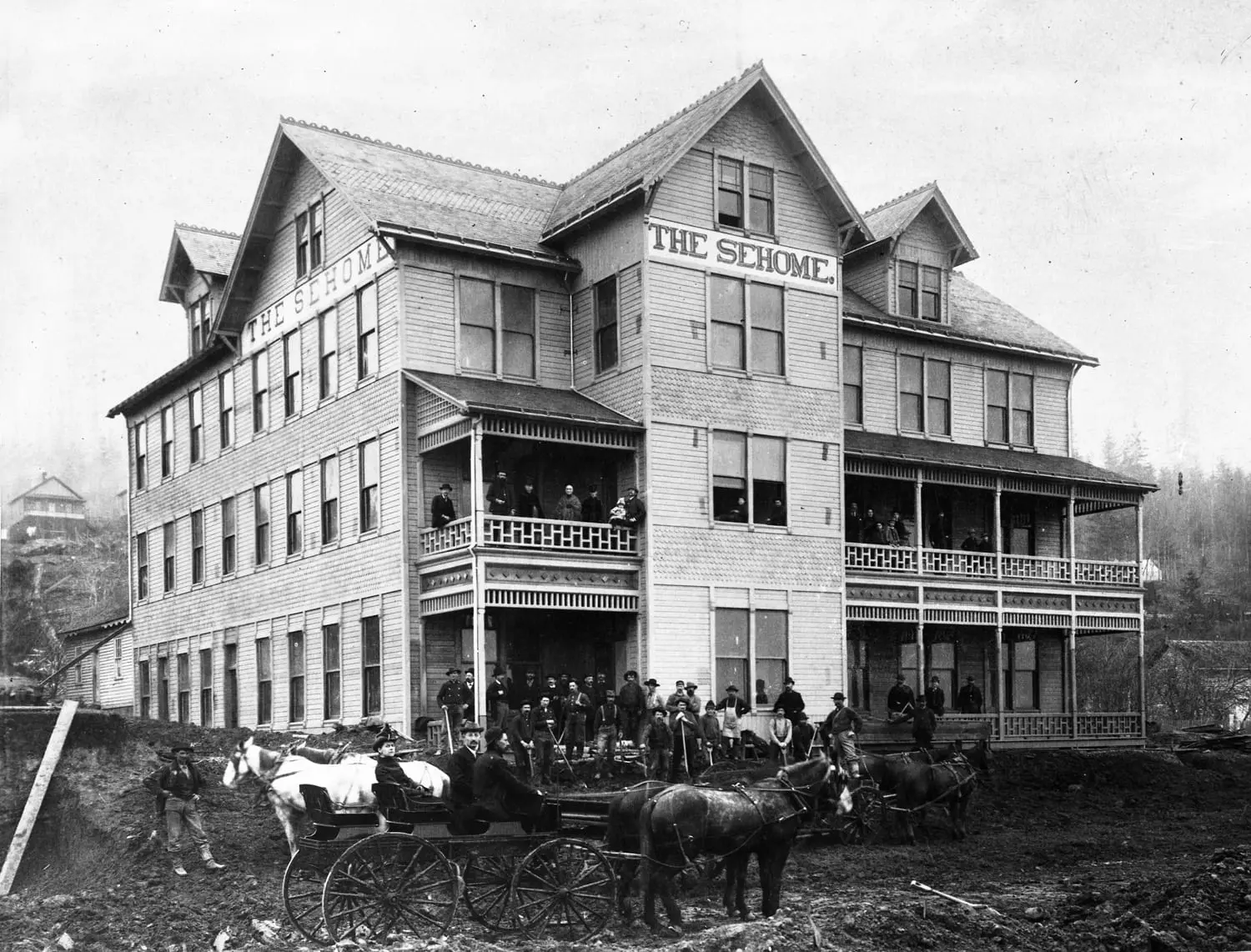
Highway 99 (Pacific Highway 1)
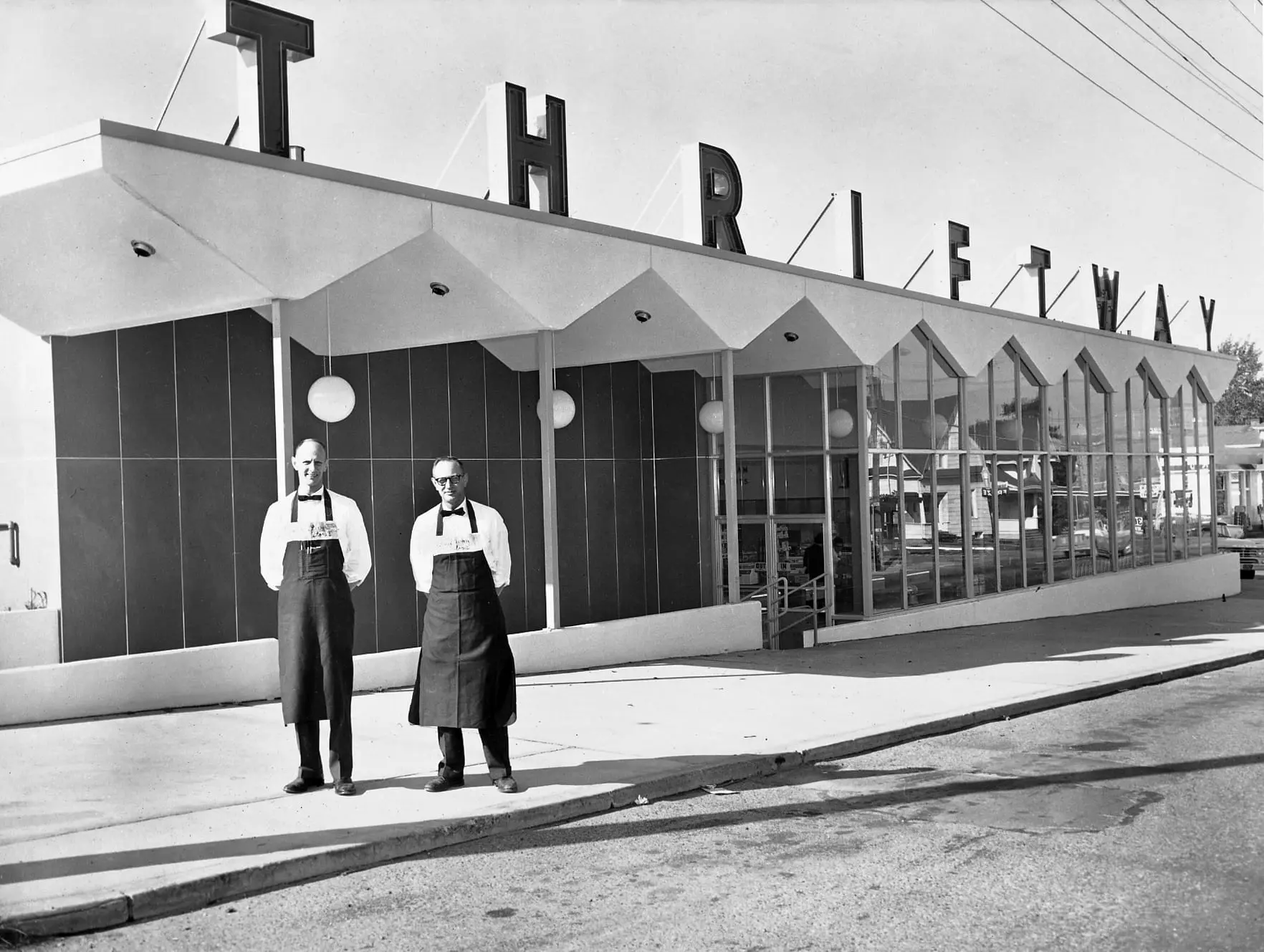
NOTE: The Downtown and Old Sehome Historic Tours were financed in part with Federal funds from the National Park Service, Department of the Interior, administered by the Department of Archaeology and Historic Preservation (DAHP) and the City of Bellingham. However, the contents and opinions do not necessarily reflect the views or polices of the Department of the Interior, DAHP, or the City of Bellingham. Regulations of the U.S. Department of the Interior strictly prohibit unlawful discrimination in departmental Federally Assisted Programs on the basis of race, color, national origin, age or disability. Any person who believes he or she has been discriminated against in any program, activity or facility operated by a recipient of Federal assistance should write to: Director, Equal Opportunity Program, U.S. Department of the Interior, National Park Service, 1849 C Street, NW, Washington, D.C. 20240
Bellingham Federal Building Tour
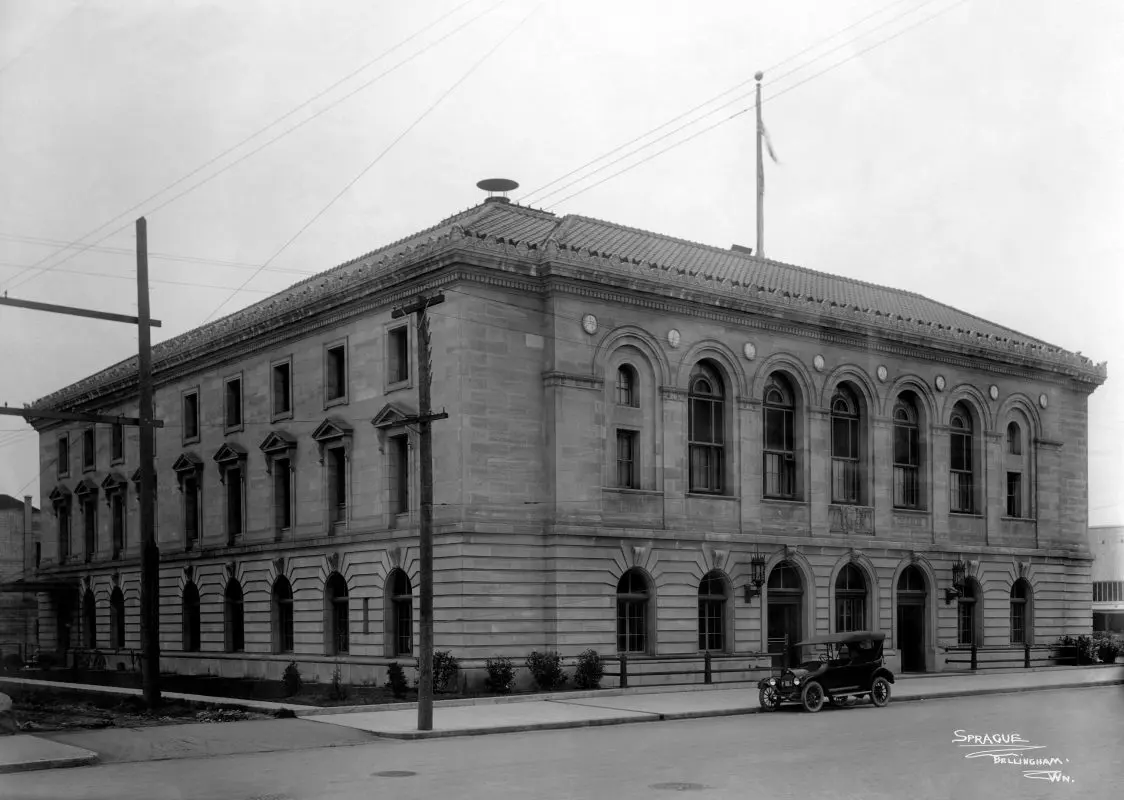
Take a tour of the historic Bellingham Federal Building to learn about the history, architecture and how the uses of this important building changed over time.
